

I was never an AI doomer. I’m still not one. I think AI is amazing technology – a revolutionary new tool, a true example of human ingenuity. However, I recently ran into its limits and understood that there are still some important things it’s not capable of. This realisation happened after I started asking AI for feedback on my creative writing. Before we dive into that though, let’s take a quick look at what AI is useful for in terms of creativity and writing.
Research and book recommendations
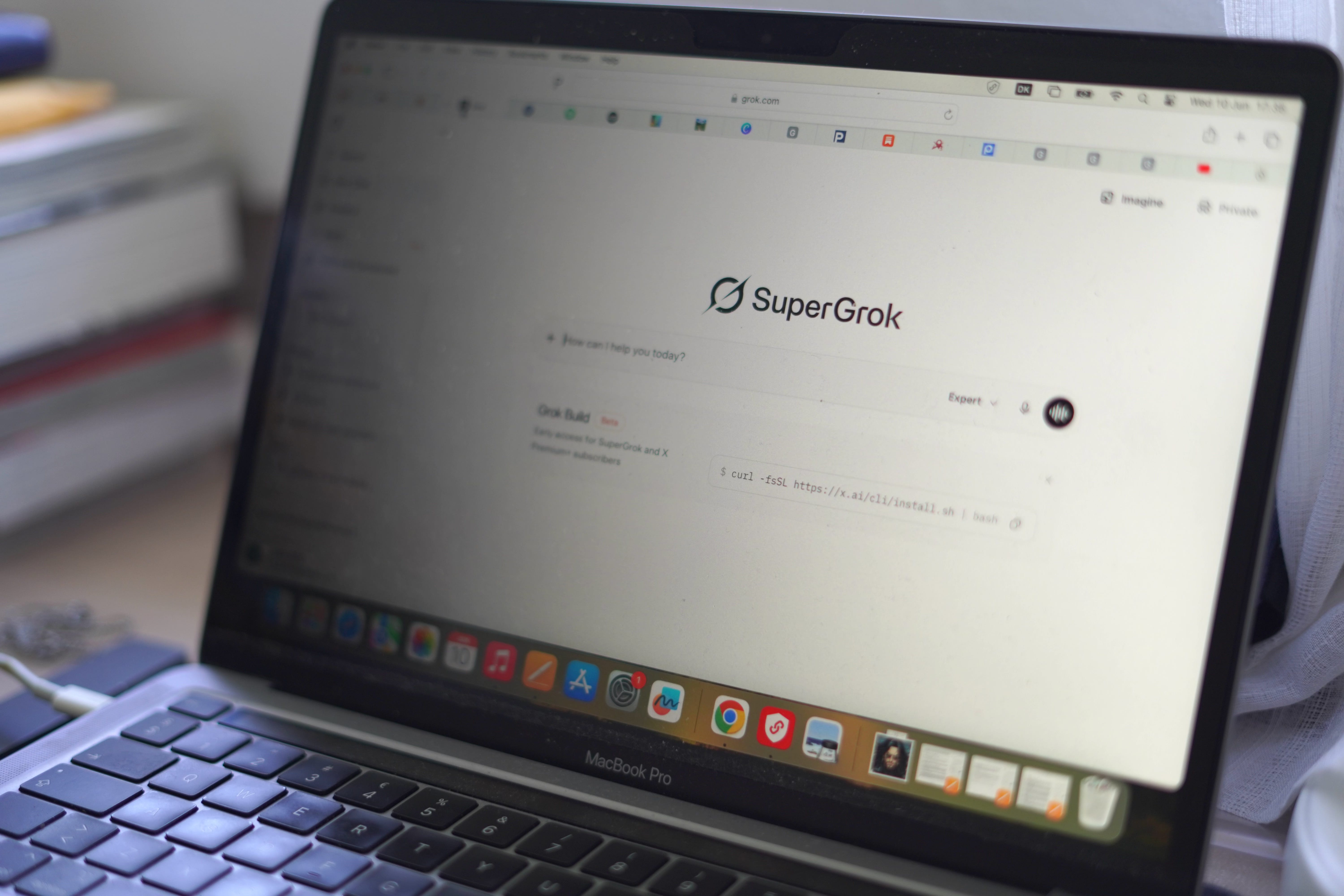
As many of you probably already know, AI can be super helpful in researching topics. Instead of having to wade through countless semi-relevant articles to find the answer to a specific question, you can ask AI and it’ll give you exactly the information you’re looking for. Out of all the different models I’ve tried (Claude, Grok, Gemini), I would say that Grok is the best one for doing research – it’s more accurate and thorough than Gemini, and it’s better at using the internet and finding up-to-date information than Claude.

Using AI for book recommendations is equally helpful, in my experience. Whenever I’m interested in a topic and want to research it for a story, I ask AI for some book recommendations on the topic. Again, I found that Grok is the best model for this. Gemini occasionally suggested works that I couldn’t find anywhere (or perhaps they don’t even exist), included the wrong author name and left out titles that are considered seminal for that topic. Claude is better, but its lesser internet-scouring capabilities sometimes result in missing info about updated editions or new releases. But, all-in-all, I’ve discovered plenty of interesting nonfiction and fiction books this way.
AI as your therapist?
Or what about using AI as a kind of advisor or therapist? There have been horrible stories of AI assisting vulnerable people in suicide or aiding others in developing delusional stories about setting AGI free and aliens making contact any moment now and so on. But I’ve actually gotten some decent life advice from AI over the past two years – mainly Claude, the model I used most in that period. I’m not saying every suggestion was golden, but with some critical thinking I was able to take the good ones and disregard the bad ones.
Where AI fails to deliver
AI can also do a relatively good job of writing articles, blog content, emails and marketing material. And yes, AI can even be helpful in brainstorming ideas. But when it comes to actual thinking out of the box, writing something truly original and creating morally ambiguous characters without the constant need to virtue signal by explicitly judging their “unacceptable” actions/thoughts, AI proved less useful for me. As I mentioned earlier, I realised this when I asked it to give me feedback on my creative writing.
So what happened exactly? AI tried constantly to steer my writing into a more mainstream and politically correct direction, which would’ve diluted the moral ambiguity and the darkness that are essential to the story I was working on. Claude was very bad in this regard, but – to my surprise – even Grok started doing this, albeit to a lesser degree. I think that, if it were up to AI, classic masterpieces like Fight Club, American Psycho or Lolita would have never been written or published. Claude would’ve told Nabokov to throw the manuscript into the fire again and make sure the wife doesn’t notice this time.
The creator of GTA on AI
I saw a video in which the CEO of Take-Two (the company that makes the Grand Theft Auto series) talks about AI. I’ll embed the video below, but he basically says that it’s important to remember: AI is a dataset machine. It relies entirely on the data it was trained on, which makes it great for doing things that have already been done. But, because of that same reason, it is not great at creating something truly new, truly original. “Data sets, by their very nature, are backward looking. Creativity, by its very nature, is forward looking,” said Strauss Zelnick, CEO of Take-Two. After I saw that clip, I figured this might be (partly) why the feedback I’ve been getting from AI is so restrictive.
Perhaps this also has to do with AI’s lack of lived experience – since all of its knowledge is based on datasets, it doesn’t know what it’s like to be broken hearted, humiliated, disappointed, rejected, loved, supported, understood, etc. Therefore, it makes assumptions and passes judgement about art (which is made from lived experience) based on its dataset-driven knowledge – this might not be sufficient. Thus, when a story breaks new ground, it can not but attempt to change it into something it’s familiar with. Especially with the guardrails that keep a leash on its thought processes at all times.
I’m not an AI expert, however, so these are just my thoughts and guesses – based on my AI usage and the information I have about this technology. What do you think? Let me know your opinion in the comments below, I read all of them!
Like you mentioned, there has been some usefulness with AI but also some failures. AI has shown no ability to portray human emotions accurately because it is impossible. I had a bot tell me once on Threads that humans are evil and it is not natural for them to love. I suspected they weren’t human, so I asked them what love is and it said no one knows because humans are incapable of love, so it’s only a concept. Definitely limited but also highly inaccurate in some regards!